


Nine Years After Alleged SARS Abduction, Lagos Woman Demands Answers Over Missing Husband.
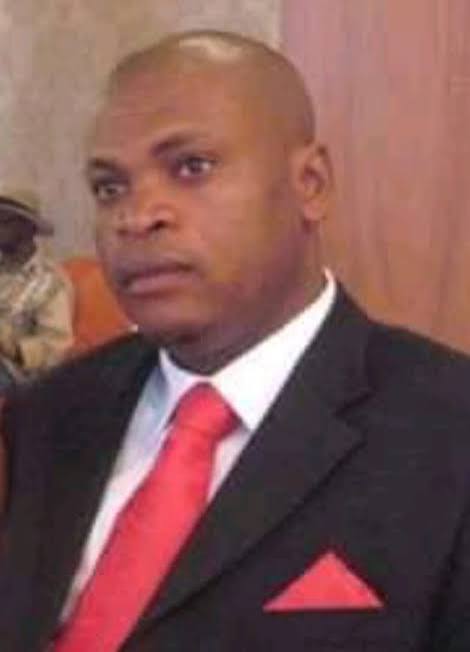
A Lagos based woman, Nnenna John Anozie, has renewed her demand for justice and accountability over the disappearance of her husband, Chukwuemeka John Anozie, who she alleges was taken away by operatives of the defunct Special Anti-Robbery Squad (SARS) in June 2017.
Nine years after the incident, the whereabouts of her husband remain unknown, despite multiple petitions, police investigations, court proceedings and interventions by human rights authorities.
According to Nnenna, five armed SARS operatives attached to the Awkuzu unit in Anambra State stormed their residence in Lekki, Lagos, at approximately 7:50 a.m. on June 15, 2017. She alleged that the officers seized her husband while he was preparing to take their children to school.
She further claimed that the operatives searched their home and removed several belongings, including money, international passports, professional certificates, family documents, mobile phones and two sport utility vehicles.
Nnenna has accused the Nigeria Police Force of failing to establish her husband’s whereabouts or provide a satisfactory account of what happened to him following the alleged arrest.
She also alleged that an officer demanded N5 million during one of her visits to the SARS facility in Awkuzu before agreeing to discuss the case.
Investigations and Court Interventions
The disappearance has generated several legal and institutional interventions over the years.
Nnenna said investigations conducted by the police Force Headquarters’ X Squad identified two officers as principal suspects in connection with her husband’s disappearance. She also alleged that legal advice and proposed charges were prepared in 2020, but the officers were not subsequently prosecuted.
The case was also brought before the Abuja EndSARS Judicial Panel of Inquiry between 2020 and 2022, where the police were reportedly directed to produce the officers implicated, provide information about Chukwuemeka’s whereabouts and account for the family’s missing belongings.
However, according to Nnenna, those directives did not produce the answers she had been seeking.
In September 2025, Justice Binta Nyako of the Federal High Court in Abuja ruled in her favour in a suit seeking access to police investigation records under the Freedom of Information Act. The court awarded her N2 million in damages over the violation of her right to access the requested information.
The legal dispute continued into 2026, with Nnenna pursuing contempt proceedings over the alleged failure of the police authorities to comply with the judgment.
In a significant development, the police informed the Federal High Court in July 2026 that the investigation file and related legal advice had been forwarded to the Attorney-General of the Federation, Lateef Fagbemi.
Although the development represented progress in the handling of the case, questions remain about whether the authorities will take further action against officers allegedly implicated in the investigation and establish what happened to the missing businessman.
A Continuing Test of Police Accountability
The case has renewed concerns about police accountability, enforced disappearance and the protection of fundamental human rights in Nigeria.
The disbandment of SARS in October 2020 followed nationwide protests against police brutality, unlawful arrests, extortion and extrajudicial killings during the #EndSARS movement. However, the allegations surrounding Chukwuemeka John Anozie’s disappearance demonstrate the importance of ensuring that complaints involving former SARS operatives are properly investigated and resolved.
For Nnenna and her children, the central question remains unanswered: Where is Chukwuemeka John-Anozie?
The Nigeria Police Force and relevant justice authorities face continued pressure to provide a transparent account of the investigation, establish his whereabouts and ensure that any officers found culpable are held accountable through due legal process.
Nine years after the alleged arrest, the case remains a significant test of Nigeria’s commitment to the rule of law, institutional accountability and the fundamental rights of its citizens.