



Panama Earthquake: Powerful 7.6 Magnitude Tremor Triggers Tsunami Alerts Across Central and South America.
A powerful earthquake measuring 7.6 in magnitude struck southern Panama on Friday, October 9, 2026, triggering tsunami alerts across parts of Central and South America and prompting evacuations as authorities assessed the impact of the disaster.
The earthquake, initially reported at varying magnitudes, was recorded by the United States Geological Survey (USGS) near Pitaloza Arriba, a remote community in southern Panama. The tremor occurred at a relatively shallow depth, intensifying concerns about its potential impact on nearby communities.
The seismic event sent strong tremors through several parts of Panama, including the capital, Panama City, where residents reportedly felt buildings shake and evacuated structures as a precaution.
According to reports from international media outlets, the earthquake also prompted tsunami warnings and threat assessments for several countries along the Pacific coastline, raising concerns about potentially hazardous waves.
Tsunami Alerts Issued Across the Region
Following the earthquake, tsunami alerts were issued for Panama and several other countries, including Colombia, Ecuador, Nicaragua and Guatemala. Chilean authorities also issued a tsunami warning as regional agencies monitored the potential coastal impact.
The United States Tsunami Warning System initially warned that potentially dangerous waves could affect some coastlines. The alerts reflected concerns that a powerful undersea or coastal earthquake could displace water and generate tsunami waves.
However, subsequent assessments indicated that the tsunami threat had passed, and the Pacific Tsunami Warning Center issued a final message confirming that no further tsunami threat was expected from the event.
Authorities and coastal communities were nevertheless advised to remain attentive to official safety information and any additional instructions from local emergency agencies.
Buildings Damaged as Residents Evacuate
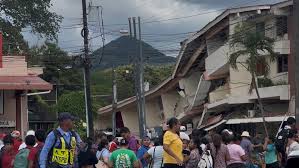
Although early reports indicated no immediate casualties or widespread destruction, subsequent assessments documented structural damage and injuries.
According to News reports, the earthquake caused damage to buildings and other structures in parts of Panama. Reports also indicated that some public facilities and historic structures were affected, while power disruptions were recorded in several provinces.
Residents in affected areas evacuated buildings as emergency services began assessing the situation. The strong tremors were felt across a broad area, prompting concern among communities located far from the earthquake’s epicentre.
Despite the intensity of the earthquake, initial assessments suggested that Panama had avoided the scale of devastation associated with some other major earthquakes in the region.
Authorities continued evaluating the extent of the damage and the potential consequences for affected communities.
Panama’s Vulnerability to Earthquakes
Panama lies within a seismically active region influenced by interactions between tectonic plates. The broader Pacific Ring of Fire, which stretches around much of the Pacific Ocean, is known for frequent earthquakes and volcanic activity.
Earthquakes of significant magnitude can cause substantial damage, particularly when they occur close to populated areas or at shallow depths.
The location of Friday’s earthquake near Panama’s southern Pacific coast heightened concerns about both ground shaking and the possibility of tsunami activity.
The event also underscored the importance of earthquake resistant construction, effective emergency communication and public preparedness in countries exposed to seismic hazards.
Regional Monitoring and Emergency Response
The earthquake highlighted the importance of coordination among national authorities and international monitoring agencies when major seismic events occur.
The United States Geological Survey provided information about the earthquake’s magnitude and location, while tsunami monitoring agencies assessed the risk to coastal communities across the region.
Although the tsunami threat was subsequently lifted, the incident demonstrated how a single powerful earthquake can trigger emergency responses across multiple countries.
For Panama and its neighbours, the immediate priorities remained assessing structural damage, accounting for any injuries, restoring disrupted services and ensuring that residents received accurate information from official sources.
As assessments continued, the full extent of the earthquake’s impact remained an important consideration for emergency officials and affected communities.
Obaland Magazine will continue to prioritize verified information and developments concerning major international disasters and their implications for public safety.