



Reported by Musa Antiketu,| Journalist at Obaland magazine.
Rabies exposure for United States don increase sharply for recent months, and the Centers for Disease Control and Prevention (CDC) don warn health workers make dem take extra care when dem dey assess people wey fit don come in contact with infected animals.
According to the latest information from CDC, rabies-related enquiries between July and August 2026 increase by 17 per cent compared with the same period for 2025. Health authorities also receive reports from at least eight states about higher use of rabies post-exposure treatment, including cases where treatment mistakes happen.
But CDC make one important clarification: there no current shortage of human rabies vaccine or human rabies immune globulin for the United States. The increase for treatment demand therefore no mean say the country don run out of the medicines. Instead, health authorities dey pay more attention to correct assessment and proper administration so that people no go receive treatment wey dem no really need.
Rabies na serious viral sickness wey fit spread from infected animals to humans, mostly through bite or scratch. For some cases, contact with saliva from infected animal fit also create risk. Bats, raccoons, skunks and foxes remain among the animals wey commonly carry rabies for different parts of the US.
CDC say about 1.4 million people for US dey seek medical attention every year after possible contact with animals, while around 100,000 people receive post-exposure treatment because doctors or public health authorities judge say dem fit don face rabies risk. Human rabies cases, however, remain rare because vaccination, animal-control work, surveillance and quick treatment don greatly reduce the number of people wey develop the disease.
The treatment wey doctors dey use after possible exposure na called post-exposure prophylaxis, or PEP. For person wey never receive rabies vaccination before, the process normally involve proper washing of the wound, human rabies immune globulin and a series of rabies vaccine injections. CDC guidelines say treatment should start as quickly as possible after a risky exposure and health professionals must follow the recommended procedure carefully.
The latest rise for demand don also bring concern about mistakes during treatment. CDC says pharmacy information up to September 2, 2026 show say use of the two licensed rabies vaccines for the US increase by about 33 per cent compared with the same period last year, while use of the two licensed rabies immune globulins increase by about 76 per cent.
Health authorities therefore dey encourage medical workers to first assess the actual level of risk before treatment. This approach fit help prevent unnecessary injections, reduce avoidable side effects and save the high cost associated with rabies treatment.
The reason rabies dey receive serious attention na because once symptoms begin, the disease almost always leads to death. But if person receive the correct preventive treatment before symptoms start, rabies infection fit still be prevented. This na why experts dey advise anybody wey animal bite, scratch or expose to possible rabies make the person wash the affected area immediately with plenty soap and water and seek medical attention without delay.
For the wider public, health officials also dey stress the importance of keeping pets properly vaccinated and avoiding direct contact with wild animals, especially animals wey dey behave strangely, look sick or dey move around during unusual periods.
Although rabies still dey exist among wildlife across different parts of the US, the country don record far fewer human deaths than many decades ago. CDC data show say between 2015 and 2024, only 17 human rabies cases were documented, with two of those cases contracted outside the United States.
The current development therefore show increase for exposure, enquiries and use of preventive treatment, rather than evidence say human rabies don suddenly become widespread across the US.
For people wey suspect say dem don come in contact with rabies, the message from health authorities remain clear: make dem no wait for symptoms before seeking help. Quick medical assessment and correct preventive treatment remain the strongest protection against the deadly disease.
Sources: Centers for Disease Control and Prevention (CDC); Houston Chronicle; Connecticut Insider; CDC National Notifiable Diseases Surveillance System.
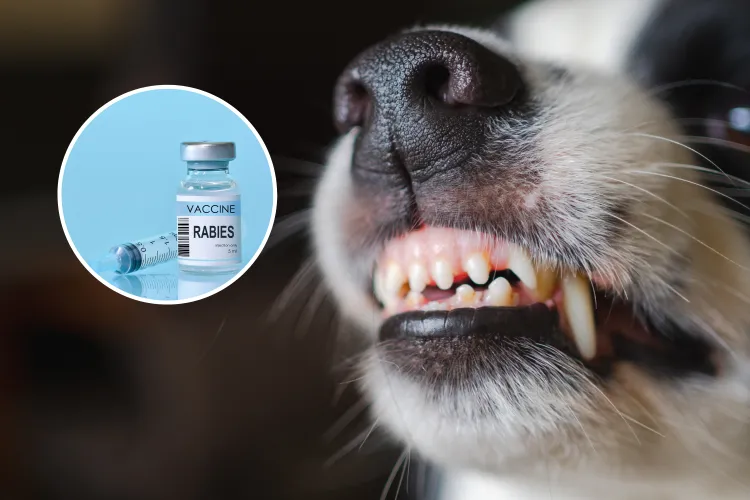
CDC don report increase for rabies exposure and treatment use for US, but health authorities say rabies vaccine and immune globulin still dey available.