

Reps Dismiss Money Laundering Petition Against NNPCL Executive Mumuni Dagazau Over Lack of Evidence.
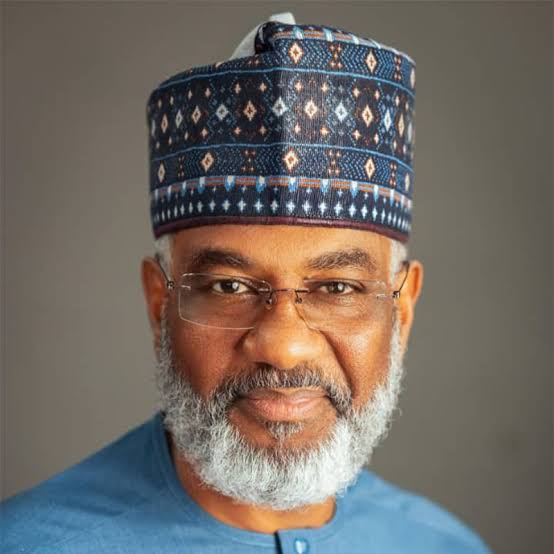
The House of Representatives Committee on Petroleum Resources (Downstream) has dismissed a petition accusing Dr Mumuni Dagazau, Executive Vice President of Downstream at the Nigerian National Petroleum Company Limited (NNPCL), of money laundering and conflict of interest, citing the petitioners’ failure to provide sufficient evidence to substantiate their claims.
The decision was announced on Monday, October 26, 2026, by the committee’s chairman, Ikenga Ugochinyere, following the consideration of an investigative report by an ad hoc subcommittee at the National Assembly Complex in Abuja.
According to News reports, the petition was submitted by the Coalition for Transparency and Accountability in Nigeria’s Petroleum Sector. The allegations prompted the committee to initiate an investigation and invite both the petitioners and the NNPCL executive to present their positions.
Ugochinyere explained that the petitioners appeared before the subcommittee on Wednesday, October 21, but reportedly presented newspaper clippings instead of documentary evidence to support the allegations. He said they were given additional opportunities to submit relevant documents but failed to return for subsequent sittings.
In contrast, Dagazau honoured the committee’s invitation through his representatives, who responded to questions from the investigative panel. The committee also considered an existing court order relating to the matter before reaching its decision.
After reviewing the subcommittee’s findings, the committee resolved to dismiss the petition in its entirety, maintaining that the allegations were not supported by sufficient evidence presented during the investigation.
The committee chairman cautioned against using the National Assembly as a platform for making serious allegations against public officials without verifiable supporting documents. He stressed that credible evidence remains essential to effective legislative oversight and accountability.
Court Order and Legislative Oversight
The committee’s decision also highlights the relationship between legislative investigations and judicial authority. According to News reports, the panel took note of a subsisting court order concerning the matter, including a judgment from the Federal High Court in Warri.
The committee’s action followed an earlier decision to investigate the allegations, as reported by the news on October 19. At the time, lawmakers had established a subcommittee to examine the petition and determine whether further legislative action was warranted.
The dismissal marks the conclusion of the committee’s consideration of the petition based on the evidence presented to it. However, the decision should be understood within that specific context: the failure to substantiate allegations before a legislative panel does not, by itself, constitute a judicial determination of every underlying issue.
NNPCL Reforms and Continued Scrutiny
The development comes amid broader legislative scrutiny of Nigeria’s downstream petroleum sector, including efforts to strengthen domestic crude supply, improve energy security, protect product quality and promote transparency in petroleum pricing.
During the same proceedings, the committee reviewed proposed amendments to the Petroleum Industry Act 2021 and discussed measures intended to improve oversight of the sector. It also granted an additional 14 days to the subcommittee investigating matters involving NIPCO Plc to complete its assignment.
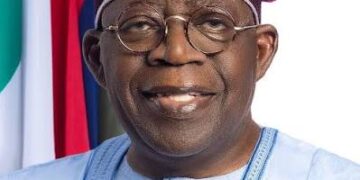
The committee further expressed confidence in President Bola Tinubu and NNPCL’s management over their handling of downstream petroleum reforms.
For Nigeria, where petroleum policy, fuel supply and energy costs remain central economic concerns, credible oversight is essential to maintaining public confidence in the institutions responsible for managing the sector.
The dismissal of the petition underscores the importance of evidence based investigations while leaving intact the broader responsibility of public institutions to examine credible allegations of wrongdoing through established legal and legislative procedures.Nigerian