



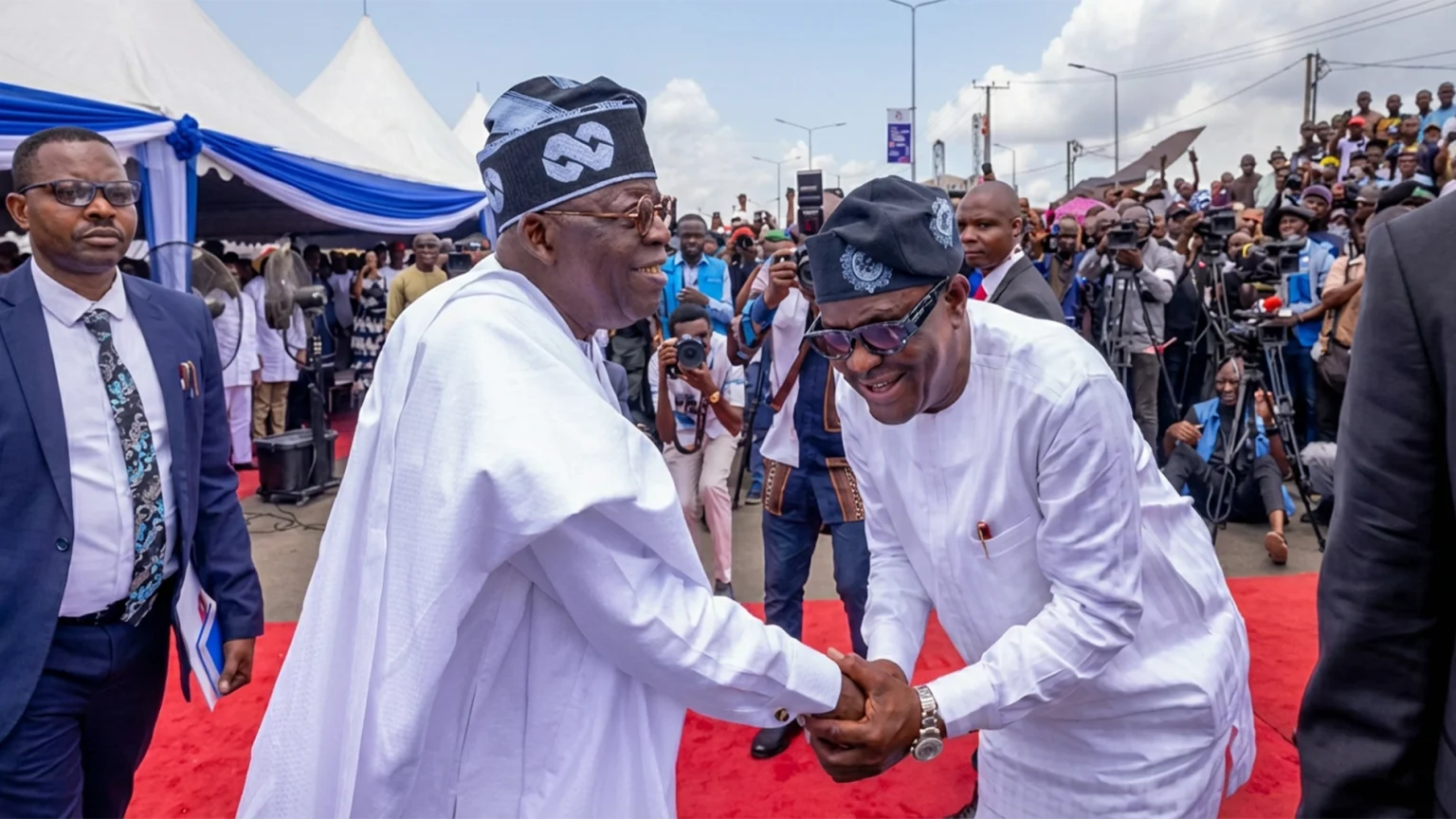
President Bola Tinubu’s emerging re-election campaign is unfolding against questions over the proposed “Rainbow Coalition” and its place in Nigeria’s increasingly competitive political landscape ahead of the 2027 general elections.
The coalition concept raises important questions about opposition cooperation, political alliances and the possibility of parties and influential political figures working together despite their differences. Its significance will depend on the groups involved, the terms of any agreement and whether the initiative can move beyond political discussions to a clearly defined arrangement.
Tinubu’s campaign preparations, meanwhile, place renewed attention on the ruling All Progressives Congress (APC), its mobilisation strategy and its efforts to maintain support across Nigeria’s diverse political constituencies.
The central dilemma surrounding a rainbow-style alliance is how to reconcile the interests of different political actors under a common platform. Such arrangements can bring together groups with different regional bases, ideological positions and electoral priorities, but sustaining unity may prove difficult when questions of leadership, power-sharing and policy direction arise.
For the opposition, cooperation could provide a framework for coordinating political activity and presenting a common challenge to the ruling party. However, disagreements over candidate selection, party interests and leadership could complicate efforts to establish a lasting alliance.
For the APC, the unfolding political realignment presents a contest in which campaign organisation, public confidence, economic conditions, security and the performance of government policies are likely to remain significant issues.
Nigeria’s 2027 election will take place amid public debate over the cost of living, employment, insecurity and the impact of economic reforms. These issues are likely to feature prominently in political campaigns and influence how parties explain their records and promises to voters.
Ultimately, the future of the proposed Rainbow Coalition will depend on whether its promoters can agree on a shared political objective, establish a workable leadership structure and maintain unity beyond initial negotiations. Tinubu’s campaign, on the other hand, will be judged against the administration’s record and the commitments presented to Nigerians.
As the election cycle develops, the relationship between campaign mobilisation and opposition coalition-building will remain an important feature of the country’s political debate.
Tinubu’s emerging re-election campaign raises questions about the proposed Rainbow Coalition, opposition unity and the political alliances shaping Nigeria’s 2027 elections.