
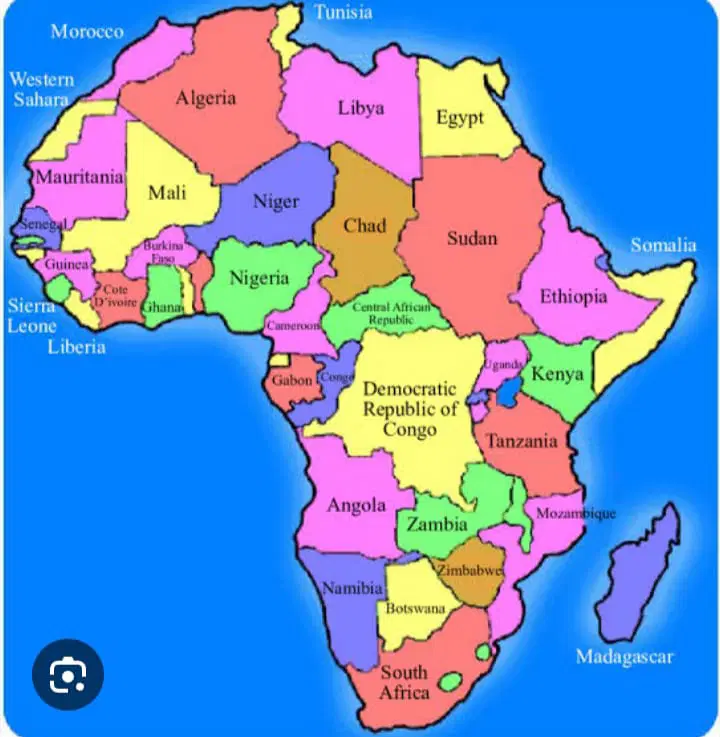
African passport holders continue to face significant differences in international travel access, with Seychelles, Mauritius and South Africa among the continent’s strongest performers, according to the 2026 Henley Passport Index.
The index ranks passports according to the number of destinations their holders can visit without obtaining a visa before departure. Its data draws on the International Air Transport Association’s (IATA) Timatic database, making it a widely used benchmark for measuring global passport mobility.
. Seychelles — 155 destinations
Seychelles ranks first in Africa, with its passport providing access to 155 destinations without a prior visa, including destinations that offer visa-free entry or visa-on-arrival facilities under the index’s methodology. The Indian Ocean island nation’s strong international mobility reflects its extensive travel arrangements and diplomatic relationships.
. Mauritius — 149 destinations
Mauritius ranks second in Africa, offering access to 149 destinations. Its international connections and diplomatic engagement have helped establish the island nation as one of the continent’s leading passports for tourism, business and other international travel.
. South Africa — 101 destinations
South Africa ranks third, with access to 101 destinations. As one of Africa’s major economic centres, the country maintains extensive international commercial, diplomatic and tourism links. However, its passport still faces restrictions in several destinations where advance visa applications remain compulsory.
. Botswana
Botswana is among Africa’s leading passport holders, with its passport providing access to approximately 81 destinations under the figures reported in the 2026 rankings. The country’s international relationships and regional connections contribute to its position among the continent’s stronger travel documents.
. Namibia
Namibia also features among the African countries with relatively strong passport mobility. Its passport provides access to a range of international destinations without a visa obtained in advance. The precise number of destinations depends on the ranking edition and the entry arrangements counted, so travellers should consult the latest official index before making travel plans.
Passport strength can influence opportunities for tourism, education, business, professional networking and international investment. Travellers who do not need to obtain a visa before departure can potentially save time, reduce application costs and make travel arrangements more easily.
Nevertheless, visa-free access does not guarantee unrestricted entry. Immigration authorities may require proof of accommodation, return tickets, sufficient funds, travel insurance or other documentation. Some destinations also require electronic travel authorisation before departure.
The rankings also highlight a wider challenge for African mobility. While countries such as Seychelles and Mauritius have secured comparatively extensive travel access, citizens of many other African states continue to face complex visa procedures when travelling internationally.
For Nigerian travellers, the differences are particularly relevant. The 2026 Henley Passport Index lists Nigeria with access to 44 destinations without a prior visa, placing it considerably behind Seychelles, Mauritius and South Africa. The comparison illustrates how passport mobility can differ sharply across the continent despite shared regional and continental integration ambitions.
Ultimately, passport strength is not simply a measure of travel convenience. It also reflects international agreements, diplomatic relationships and the practical freedom citizens enjoy when crossing borders.
Discover five African countries with the strongest passports in 2026, their visa-free travel access and what the rankings mean for African travellers.