



WHO Challenges Trump’s New Childhood Vaccine Policy, Says Changes Conflict With Decades of Scientific Evidence.
The World Health Organization (WHO) has pushed back against U.S. President Donald Trump’s latest effort to overhaul childhood vaccination recommendations, defending the science based process used globally to determine which vaccines children should receive and when.
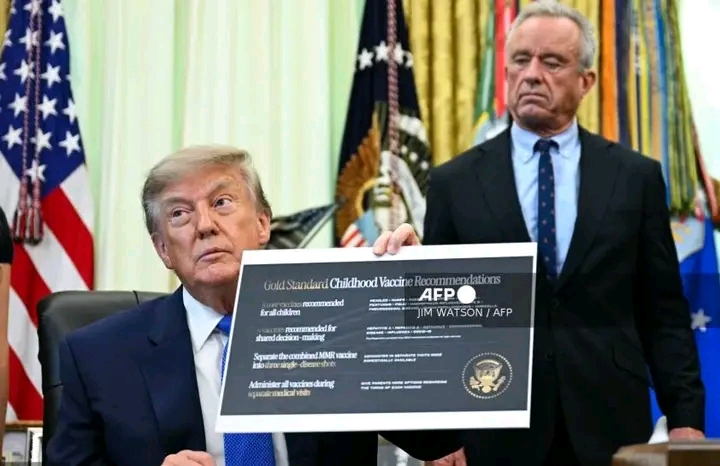
Trump signed an executive order on August 10, 2026, directing U.S. health authorities to reduce the number of vaccines routinely recommended for children and restructure how some immunisations are administered. The move has drawn criticism from public health and medical organisations, with concerns that changes could create confusion among parents and undermine vaccination coverage.
Under the new policy, the U.S. administration is seeking to recognize vaccines against 11 diseases as core childhood immunisations, while placing some others including vaccines against influenza, hepatitis A and hepatitis B into categories for high risk groups or individual clinical decisions. The order also calls for the combined measles, mumps and rubella (MMR) vaccine to be separated into individual shots.
The White House has defended the changes as an attempt to bring U.S. vaccination recommendations closer to what it describes as practices in other developed countries. The administration has also argued that parents and doctors should have greater flexibility in deciding which vaccines children receive.
However, the WHO stressed that immunisation schedules are developed through scientific assessment of disease risks, vaccine effectiveness and safety, rather than political considerations. The organisation’s position comes amid broader international concern over maintaining public confidence in vaccination programmes.
WHO says vaccines remain among the most effective tools for preventing infectious diseases. Its vaccine safety guidance notes that essential vaccines against 14 diseases have saved at least 154 million lives globally over the past 50 years and contributed substantially to the reduction in infant mortality.
The scientific evidence also contradicts claims linking routine childhood vaccination to autism. The Associated Press reported that decades of research have found no credible evidence establishing such a link, while medical experts have warned that delaying or reducing childhood immunisation can leave children vulnerable to preventable diseases.
The debate is particularly significant as the United States continues to confront outbreaks of vaccine-preventable diseases. Medical organisations, including the American Academy of Pediatrics and the Infectious Diseases Society of America, have criticized the latest policy, warning that uncertainty over vaccination guidance could reduce uptake and increase the risk of preventable illnesses.
For families and health systems beyond the United States, the development carries wider implications. Changes to vaccination policy in one of the world’s most influential countries could affect public confidence and fuel misinformation internationally, particularly in countries where immunisation programmes already face challenges involving access, hesitancy and misinformation.
The WHO’s response therefore places the Trump administration’s policy within a broader global public-health debate: whether childhood vaccination schedules should be altered primarily through political decisions or through established scientific and epidemiological processes.
As the United States moves to implement the executive order, questions remain over its practical impact, the role of state governments in setting vaccination requirements and whether the changes will face further legal or institutional challenges.