

Wike Defends High Abuja Billboard Advertising Rates, Says Politics Is Expensive Ahead of 2027 Elections.
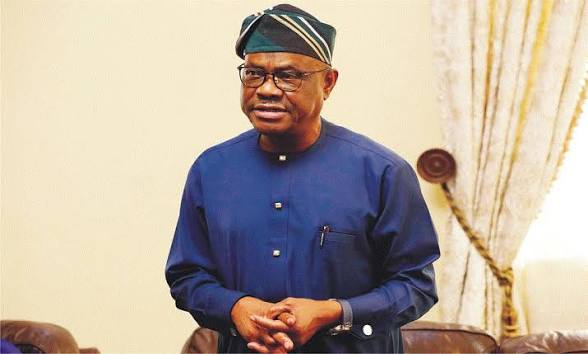
Minister of the Federal Capital Territory (FCT), Nyesom Wike, has defended the high cost of billboard advertising in Abuja, arguing that political campaigns are expensive and that the FCT Administration has a responsibility to generate revenue through outdoor advertising.
Wike made the remarks on Thursday, November 5, 2026, during his monthly media chat in Port Harcourt, Rivers State, amid growing concerns over the rising cost of political advertising ahead of Nigeria’s 2027 general elections.
The minister maintained that political parties should not interpret the high billboard charges as an attempt to frustrate particular candidates or opposition groups, insisting that campaign expenditure is substantial across different countries.
According to Wike, the FCT Administration considers billboard advertising an important source of internally generated revenue, particularly during periods of increased political activity.
He explained that the government expects to maximize revenue from billboard placements as political parties and candidates compete for visibility ahead of the elections.
“We want money. The FCT wants money, and part of us making money is through the billboards to raise our revenue,” Wike said.
He also suggested that political parties could explore social media platforms as alternative channels for reaching voters rather than depending entirely on traditional outdoor advertising.
Opposition Concerns Over Rising Advertising Costs
Wike’s comments come against the backdrop of growing criticism from opposition parties and political stakeholders over the increasing financial requirements for securing billboard spaces in major Nigerian cities.
Several opposition groups have expressed concerns that expensive advertising permits could restrict their ability to communicate campaign messages and compete effectively with political parties that have greater financial resources.
A News report published on October 27, 2026, highlighted concerns that rising billboard charges across different states could undermine political visibility and create additional financial obstacles for opposition candidates ahead of the 2027 elections.
The publication reported that some states had introduced billboard permit charges running into millions of naira, intensifying debates about the affordability of political campaigns.
Debate Over Revenue Generation and Democratic Competition
Although governments have the authority to regulate outdoor advertising and generate revenue through approved fees, the controversy raises broader questions about balancing revenue generation with equal opportunities for political participation.
Nigeria’s electoral environment requires political parties and candidates to have reasonable opportunities to communicate their policies, programmes and manifestos to voters.
While billboard advertising remains an important campaign tool, social media, television, radio, newspapers and community engagement also provide alternative channels for political communication.
However, the affordability of these platforms remains a concern, particularly for smaller political parties and candidates operating with limited campaign resources.
Wike’s defence has therefore placed the FCT’s revenue generation objectives at the centre of a wider national discussion about political advertising costs, campaign financing and fairness ahead of the 2027 general elections.
As political activities intensify, attention will increasingly focus on whether billboard pricing and advertising regulations across Nigeria can generate legitimate public revenue without creating unnecessary barriers to democratic competition.