
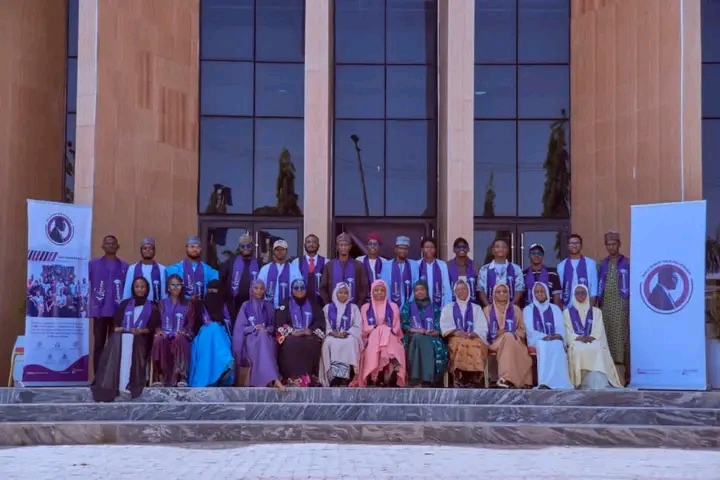
Wunti Al Khair Foundation Trains 30 Bauchi Youths in Digital Skills to Boost Employment and Entrepreneurship.
The Wunti Al Khair Foundation has trained 30 young people in digital skills as part of efforts to improve employment opportunities, encourage entrepreneurship, and strengthen the digital economy in Bauchi State.
The initiative highlights the growing importance of technology driven skills in preparing young Nigerians for employment and self employment in an increasingly digital global economy.
By equipping young people with relevant digital competencies, the foundation aims to help participants explore career opportunities in the technology sector while developing the capacity to establish and manage their own businesses.
Digital skills have become increasingly important across industries, including communications, business management, software development, digital marketing, and data analysis. Access to such training can help young people compete for available opportunities, particularly in regions where formal employment remains a challenge.
Tackling Youth Unemployment Through Digital Education
The training reflects broader efforts by development organisations to address youth unemployment through practical education, technology exposure, and entrepreneurship support.
For Bauchi State, expanding access to digital training could help young people participate more actively in Nigeria’s growing technology ecosystem, particularly as businesses increasingly rely on digital tools to reach customers, improve productivity, and deliver services.
However, the long term impact of such initiatives depends on participants’ access to reliable internet connectivity, suitable equipment, continued mentorship, and opportunities to apply their newly acquired skills.
Providing pathways to internships, employment, and business development could further strengthen the benefits of the programme.
Foundation’s Broader Youth Empowerment Efforts
The Wunti Al Khair Foundation has pursued several initiatives focused on education, economic empowerment, healthcare, and community development in Bauchi State.
In September 2025, The Guardian and Punch reported that the foundation had supported more than 1,000 entrepreneurs in Bauchi through training in business management, financial management, market positioning, and access to finance.
The Guardian also reported that at least 30 young people had graduated from the Bala Wunti Technology Fellowship, a programme designed to prepare participants for careers in the technology industry.
These efforts form part of wider attempts to strengthen local capacity, improve employability, and create opportunities for young people and small-business owners.
Although digital training can provide an important foundation for economic advancement, sustained results will depend on whether participants can translate their skills into paid employment, viable businesses, and long-term professional growth.
Building a Digitally Skilled Generation
The training of 30 youths represents a contribution to the broader conversation about digital inclusion and youth development in Nigeria.
As the country continues to explore technology driven economic opportunities, initiatives that combine practical training with mentorship and access to employment networks could help bridge the gap between education and the demands of the labour market.
For Bauchi’s young population, developing relevant digital competencies may offer additional routes into the workforce and opportunities to build sustainable businesses.
The initiative also underscores the importance of collaboration among foundations, educational institutions, technology companies, and public sector agencies in expanding access to skills development.
Obaland Magazine will continue to monitor initiatives aimed at strengthening youth employability, digital inclusion, and economic development across Nigeria.