


Dangote Refinery don Cut Petrol Price by ₦25, Marketers Dey Think About Lower Pump Price As FG Meet Stakeholders.
Federal Government don start talk with refinery owners, depot owners, fuel marketers and retailers as pressure dey rise for petrol price to come down after Dangote Petroleum Refinery cut di price wey marketers dey buy petrol from di refinery by ₦25 per litre.
Dangote refinery reduce di petrol gantry price from ₦1,350 to ₦1,325 per litre on Monday, September 21, 2026. Di move don bring fresh attention to petrol price and di effect of international crude oil price for Nigeria. E also make people dey expect say fuel marketers fit reduce di price for filling stations, even though nobody don confirm how much di reduction go be or when e go start.
Federal Government, through Nigerian Midstream and Downstream Petroleum Regulatory Authority, NMDPRA, don arrange meeting with refinery owners, depot owners, marketers and retailers to discuss fuel price and how competition dey work for di petroleum market.
Di meeting dey happen under Nigeria Petroleum Industry Act and Federal Competition and Consumer Protection Act, as government dey push for more transparency and competition for di way petroleum products dey priced and distributed.
Marketers dey consider possible price cut
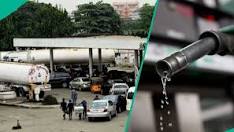
Di new development come after petrol price don increase for different parts of Nigeria. Reports say petrol dey sell around ₦1,395 to ₦1,450 per litre for Abuja and some other places. Di high price don put more pressure on motorists, transport workers, businesses and households.
Billy Gillis Harry, wey be National President of Petroleum Products Retail Outlets Owners Association of Nigeria, PETROAN, talk say marketers go look di possibility of reducing petrol price, but dem go also consider di money wey dem dey spend to buy, move and sell di product.
He reject calls make petrol price immediately fall to ₦500 per litre, saying say such price no match di current market situation unless government bring strong support or subsidy.
Di matter show say when refinery reduce di price wey e dey sell petrol to marketers, e no mean automatically say every filling station go reduce price by di same ₦25. Retail price dey depend on transportation, storage, movement of fuel, business costs and di location where dem dey sell am.
Dangote refinery still dey play major role
Di latest price cut come after Dangote refinery don increase petrol gantry price several times. On September 12, di refinery increase di price from ₦1,265 to ₦1,350 per litre.
Industry information later show say Dangote petrol still dey compete with imported petrol. PUNCH report say di estimated cost of bringing imported petrol into Nigeria don rise above di refinery price of ₦1,350 per litre. Dis fit give locally refined petrol advantage over imported fuel.
Di development dey happen as Nigeria continues to operate a deregulated petroleum market, where petrol price dey respond to crude oil price, foreign exchange, refining cost, transportation and other market conditions.
Reuters report on September 21 say rising international oil prices don push petrol price for Nigeria to around ₦1,400 per litre for Lagos and Abuja, while some places for northern Nigeria dey see prices up to ₦1,500 per litre.
Reuters also report say Dangote refinery dey operate at di stated capacity of 700,000 barrels per day, but di refinery still dey feel dio effect of changes for international crude oil prices.
Wetin consumers fit expect
Di ₦25 reduction for Dangote refinery no mean say every filling station for Nigeria go immediately reduce petrol price by ₦25. Marketers still need consider di cost of fuel wey dem don already buy, transportation and other expenses before dem decide di new selling price.
Di result of Federal Government meeting with industry stakeholders fit bring more clear information about whether di latest refinery price cut go lead to lower prices for filling stations.
For Nigerian consumers, di main question na whether lower wholesale price go move quickly through di distribution chain and help reduce transport and household expenses.
Di meeting also show di challenge wey Nigeria dey face as government dey try balance market based petrol pricing with consumer protection. Fuel price directly affect transportation, food distribution, businesses and inflation.