
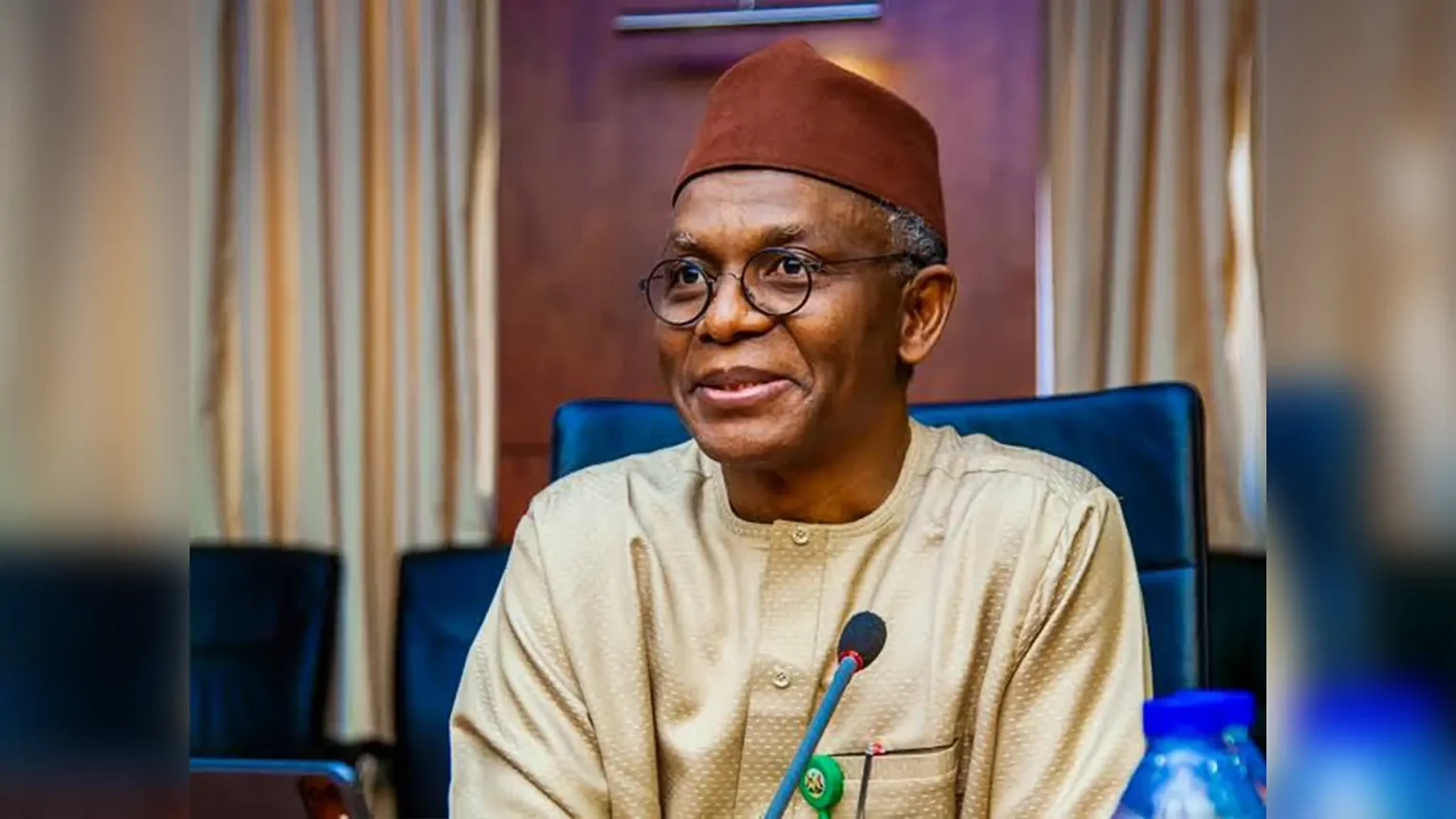
A senior operative of the Department of State Services (DSS) has alleged that $600,000 was earmarked to bribe officials of the Economic and Financial Crimes Commission (EFCC) and an intermediary to halt investigations into companies allegedly linked to former Kaduna State Governor Nasir El-Rufai.
The allegation was made by Segun Kayode, a DSS operative and digital forensics examiner, while testifying before the Kaduna State High Court in the ongoing corruption trial involving the former governor. The proceedings were presided over by Justice Darius Khobo.
According to the witness, the alleged arrangement involved $500,000 intended for EFCC officials and an additional $100,000 reportedly designated for an intermediary to facilitate the termination of the investigations.
Kayode told the court that the allegations emerged from forensic examinations of telephone call records and audio recordings analysed following a formal request from the Independent Corrupt Practices and Other Related Offences Commission (ICPC).
The DSS operative said his team examined communications involving El-Rufai and several individuals identified during the investigation, including Jimi Lawal, AU Mustafa, Ahmadu Sule, Sam Darwish and Bashir El-Rufai, the former governor’s elder brother.
Kayode testified that an analysis of call records revealed repeated communications involving El-Rufai, his brother and Sam Darwish between October 25 and 28, 2025. He said these findings prompted further examination of audio recordings obtained from the DSS communication intelligence unit.
According to his testimony, the recordings allegedly contained discussions about efforts to frustrate an EFCC investigation into a company identified as Singularity, including a proposed process to liquidate the business in Nigeria and Mauritius.
The witness further alleged that the conversations referenced obtaining a template previously used in the liquidation of another company, Olam, for possible application to Singularity.
Kayode also told the court that the recordings contained discussions about preventing an EFCC investigation into IHS, which he described as a company listed on the New York Stock Exchange.
The allegations formed part of the prosecution’s evidence. They have not been established as findings of the court, and the defence retains the opportunity to challenge the evidence through the judicial process.
During the proceedings, El-Rufai’s lead counsel, Paul Erokoro, a Senior Advocate of Nigeria (SAN), objected to the witness’s testimony and the introduction of the forensic investigative report.
The defence argued that it had not received adequate advance notice of the evidence, maintaining that the prosecution’s decision to subpoena the witness did not remove its obligation to provide sufficient information for the preparation of the defence.
Erokoro contended that the late presentation of the report could undermine his client’s ability to examine the evidence effectively and prepare for cross-examination. He also questioned the procedure through which the document was introduced.
Counsel for the Federal Government, Ayodeji Adedipe, opposed the objection, arguing that it lacked a sufficient legal basis. He maintained that the witness had been properly subpoenaed and that the defence would have an opportunity to challenge his testimony.
Justice Khobo overruled the objection and permitted Kayode to continue testifying. The judge also indicated that the defence could obtain a certified true copy of the relevant evidence through the court registry for examination.
The court’s ruling allowed the testimony to proceed but did not amount to a determination that the bribery allegations were proven.
The hearing lasted approximately nine hours, with part of the proceedings devoted to the examination of the audio recordings presented by the prosecution.
The court subsequently adjourned the case until November 30 and December 1, 2026, for further proceedings, including the continuation of the examination of the evidence.
El-Rufai is facing corruption and money-laundering charges brought by the ICPC. The latest testimony represents part of the prosecution’s case against the former governor, whose legal team has challenged aspects of the evidence and the procedure through which it was presented.
The proceedings underscore the importance of forensic evidence, procedural fairness and the right of an accused person to challenge allegations in court.
For Nigeria’s anti-corruption institutions, the case also raises broader questions about the integrity of financial investigations and allegations of attempts to interfere with law-enforcement processes.
However, the ultimate determination of the allegations rests with the court after considering the evidence presented by the prosecution and the responses of the defence.
Obaland Magazine will continue to follow the proceedings and report verified developments in accordance with the principles of accuracy, fairness, accountability and the presumption of innocence.
A DSS witness alleges that $600,000 was earmarked to halt EFCC investigations in Nasir El-Rufai’s corruption trial as the Kaduna court hears forensic evidence.