


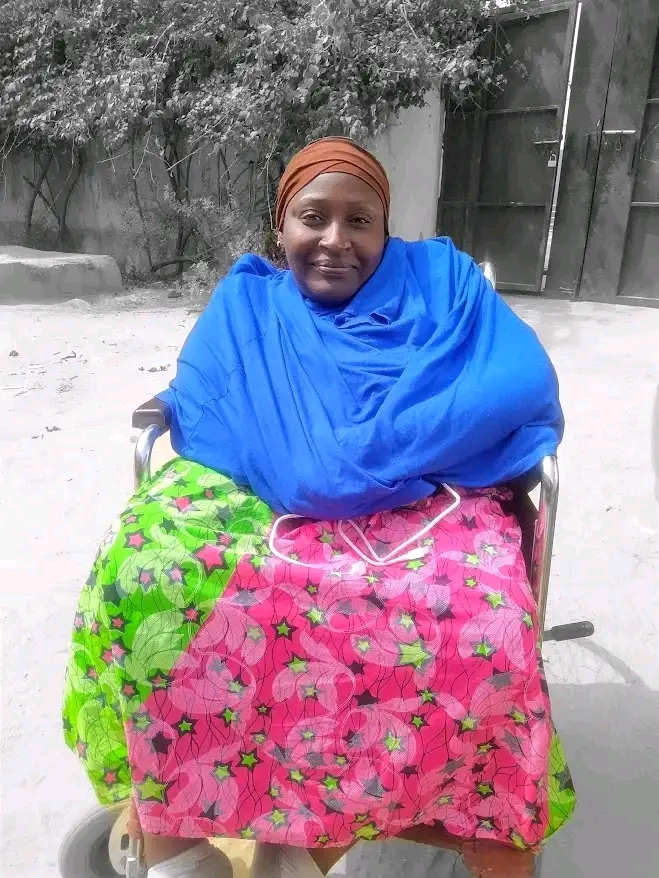
“I Spent Years Wondering What It Feels Like to Scratch My Nose”: Borno Polio Survivor’s Story Rekindles Urgency for Child Vaccination in Nigeria
A deeply moving testimony from a polio survivor in Nigeria’s conflict-affected Borno State is reigniting conversations around routine immunization and the long-term human cost of vaccine preventable diseases. The survivor, whose mobility has been permanently impaired by poliomyelitis, described the everyday challenges of living with paralysis including the simple yet profound inability to perform basic actions many take for granted.
“I spent years wondering what it feels like to scratch my nose,” she said, capturing both the physical limitations and emotional weight of her condition. Her story underscores the devastating consequences of polio, a highly infectious viral disease that primarily affects children under five and can lead to irreversible paralysis.
Public health experts warn that despite significant global progress toward eradicating polio, pockets of low immunization coverage especially in conflict-affected regions like northeastern Nigeria continue to pose risks. In areas such as Borno, insecurity, displacement, and limited access to healthcare services have historically disrupted vaccination campaigns, leaving vulnerable populations exposed.
The survivor is now using her voice to advocate for stronger parental commitment to immunization. She urged caregivers to ensure their children receive all recommended vaccines, emphasizing that prevention remains the most effective protection against polio and similar diseases. “No child should have to live like this,” she said, calling for collective responsibility to safeguard future generations.
Nigeria was declared free of wild poliovirus in 2020 by the World Health Organization (WHO), marking a major milestone for the African continent. However, health authorities, including the WHO and UNICEF, continue to stress the importance of sustained immunization efforts to prevent the resurgence of vaccine-derived poliovirus, which can occur in under immunized communities.
Recent reports by organizations such as WHO, UNICEF, and The Guardian Nigeria highlight ongoing efforts by government and international partners to strengthen routine immunization, particularly in underserved and high risk regions. These initiatives include mobile vaccination teams, community engagement programs, and cross-border collaboration to reach children in hard-to-access areas.
The survivor’s story serves as both a personal reflection and a public health warning illustrating that while polio may be nearing eradication globally, vigilance, education, and consistent vaccination remain essential to ensuring it never returns.