

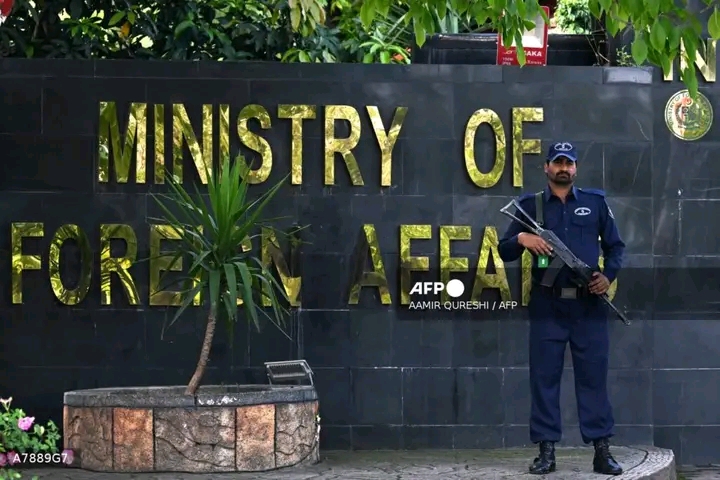
“Iran Delegation Arrives in Islamabad for Pakistan-Brokered Talks with United States Amid Escalating Middle East Tensions”
An Iranian diplomatic delegation has arrived in Islamabad for high level discussions facilitated by Pakistan, marking a renewed diplomatic effort to open communication channels between Iran and the United States as tensions continue to shape the geopolitical landscape of the Middle East.
According to Iranian officials, the visit is part of Pakistan’s mediation initiative aimed at easing regional instability and encouraging dialogue between Tehran and Washington. The talks are expected to focus on de-escalation strategies, regional security concerns, and broader diplomatic engagement linked to ongoing conflicts affecting the Middle East.
Pakistan Positions Itself as Diplomatic Intermediary
Pakistan’s role as a broker reflects Islamabad’s longstanding diplomatic ties with both Iran and the United States. Analysts say the mediation effort highlights Pakistan’s attempt to strengthen its relevance in regional diplomacy while promoting stability across neighboring regions impacted by conflict and economic uncertainty.
Iran’s envoy confirmed that discussions in Islamabad are exploratory rather than final negotiations, emphasizing that confidence-building measures and mutual understanding remain central objectives at this stage.
Diplomatic observers note that indirect engagement between Tehran and Washington has historically occurred through third-party mediators, particularly during periods of heightened political tension. Pakistan’s involvement signals a possible expansion of diplomatic channels beyond traditional intermediaries in Europe and the Gulf.
Context: Renewed Diplomatic Openings
The Islamabad meetings come amid persistent regional volatility, including security concerns tied to ongoing Middle East crises, sanctions disputes, and stalled negotiations over Iran’s nuclear program. Relations between Iran and the United States have remained strained for years, with intermittent attempts at dialogue often disrupted by geopolitical developments.
Experts suggest the Pakistan brokered talks may serve as a preliminary platform to test diplomatic willingness on both sides rather than deliver immediate policy breakthroughs. However, even limited engagement is widely viewed as significant given the prolonged diplomatic freeze between the two countries.
Regional and Global Implications
If sustained, the talks could contribute to broader diplomatic recalibration in the Middle East, where shifting alliances and security concerns continue to influence global energy markets and international security frameworks.
For Pakistan, successful facilitation could enhance its diplomatic standing as a neutral mediator capable of fostering dialogue among rival powers. For Iran and the United States, the discussions may offer an opportunity to reduce tensions through incremental engagement rather than confrontation.
While officials have not disclosed a detailed agenda or timeline, diplomatic sources indicate that further meetings may follow depending on the outcomes of the Islamabad consultations.
International Reaction and Outlook
Global observers, including Western and regional policymakers, are closely monitoring the talks for signs of progress. Analysts caution that expectations should remain measured, noting that past diplomatic efforts have faced setbacks due to political mistrust and competing strategic interests.
Nonetheless, the Islamabad engagement underscores a growing recognition among regional actors that sustained diplomacy remains essential to preventing wider instability across the Middle East.