



Three young Japanese dancers made their mark on one of the world’s most prestigious stages this weekend, earning medals at the International Ballet Competition in Moscow held at the historic Bolshoi Theater.
Leading the group was Ryoma Hudzeleu, 20, from Mitaka in western Tokyo, who took home the gold medal in the senior men’s solo category. In the boys’ solo division, 18-year-old Denis Watanabe, also from Mitaka, won silver. And in the girls’ solo category, 16-year-old Sakura Nagai from Nagoya earned bronze.
The results, announced Saturday, mark a strong showing for Japan at a competition known for its intense standard and international field.
For Hudzeleu, the win in Moscow was both a breakthrough and a return. He previously competed at the same event in 2022, winning silver in the boys’ duet category. This time, dancing alone in the senior men’s division, he came out on top.
“I’m happy because my skills have improved,” Hudzeleu said after receiving the first prize.
The 20-year-old has ballet in his background. His father is Belarusian and his mother is Japanese, and he grew up surrounded by dance. At age 12 he moved to Belarus to study ballet seriously, immersing himself in the Russian training system that has produced generations of world-class dancers.
That path led him to one of ballet’s most respected companies. In September 2025, Hudzeleu joined the Mariinsky Theatre in St. Petersburg, where he is currently performing. The Mariinsky, like the Bolshoi, is known for its rigorous repertoire and demanding schedule, and the experience appears to have sharpened his stage presence and technique.
On the Bolshoi stage in Moscow, Hudzeleu delivered a performance that judges rewarded with gold — the top prize in his category.
Denis Watanabe’s silver medal in the boys’ solo category added another Mitaka name to the podium.
Watanabe, 18, shares a similar background to Hudzeleu. His father is also from Belarus, and the two have known each other since childhood. They grew up training together, pushing each other in studios in Tokyo and abroad.
“I’m frustrated with the result despite winning the silver medal,” he said. For dancers trained in a competitive environment, second place can feel like a reminder of the work still to do rather than a finish line.
His performance in Moscow, however, confirmed him as one of Japan’s most promising male dancers in his age group. With both technical precision and the artistic maturity expected at this level, Watanabe is expected to continue building toward senior competition in the coming years.
The third Japanese medal came from Sakura Nagai, 16, from Nagoya, who took bronze in the girls’ solo category.
Nagai seemed as surprised as anyone by the result.
“I never expected to win the bronze medal,” she said. “My steady practice has been recognized. I’m glad I entered the competition,” she added with a smile.
At 16, competing against some of the best young dancers from around the world, a podium finish is significant. It signals not only talent but the kind of consistency in training that international juries look for. For Nagai, the Moscow bronze is likely to open doors to more opportunities, both in Japan and abroad.
The International Ballet Competition in Moscow is one of the oldest and most respected ballet contests in the world. Held at the Bolshoi Theater, it attracts dancers from across the globe and is often seen as a launching pad for careers with major companies.
Winning — or even placing — can lead to contracts, scholarships, and international recognition. The fact that all three Japanese medalists this year have ties to Russian training, either directly or through family, also reflects a broader trend. Many Japanese dancers seek out Russian and European schools to refine classical technique, then bring that training back to Japan’s growing ballet scene.
For Japan, the results are encouraging. The country has a strong domestic ballet community, with schools in Tokyo, Nagoya, Osaka and other cities producing dancers who compete internationally. But medals at a competition of Moscow’s caliber are still rare, which makes this year’s sweep notable.
What ties Hudzeleu, Watanabe, and Nagai together is more than nationality. Each represents a different stage in a dancer’s journey.
Hudzeleu, at 20, is already a professional at the Mariinsky and now has an individual gold to his name. He’s moving into the phase where competition results turn into career momentum.
Watanabe, 18, is on the cusp — good enough for silver in Moscow, but hungry for more. His frustration suggests he sees himself competing at the senior level soon.
Nagai, 16, is still early in her career. Bronze in Moscow is validation that years of steady work are paying off, and a sign that she can aim higher.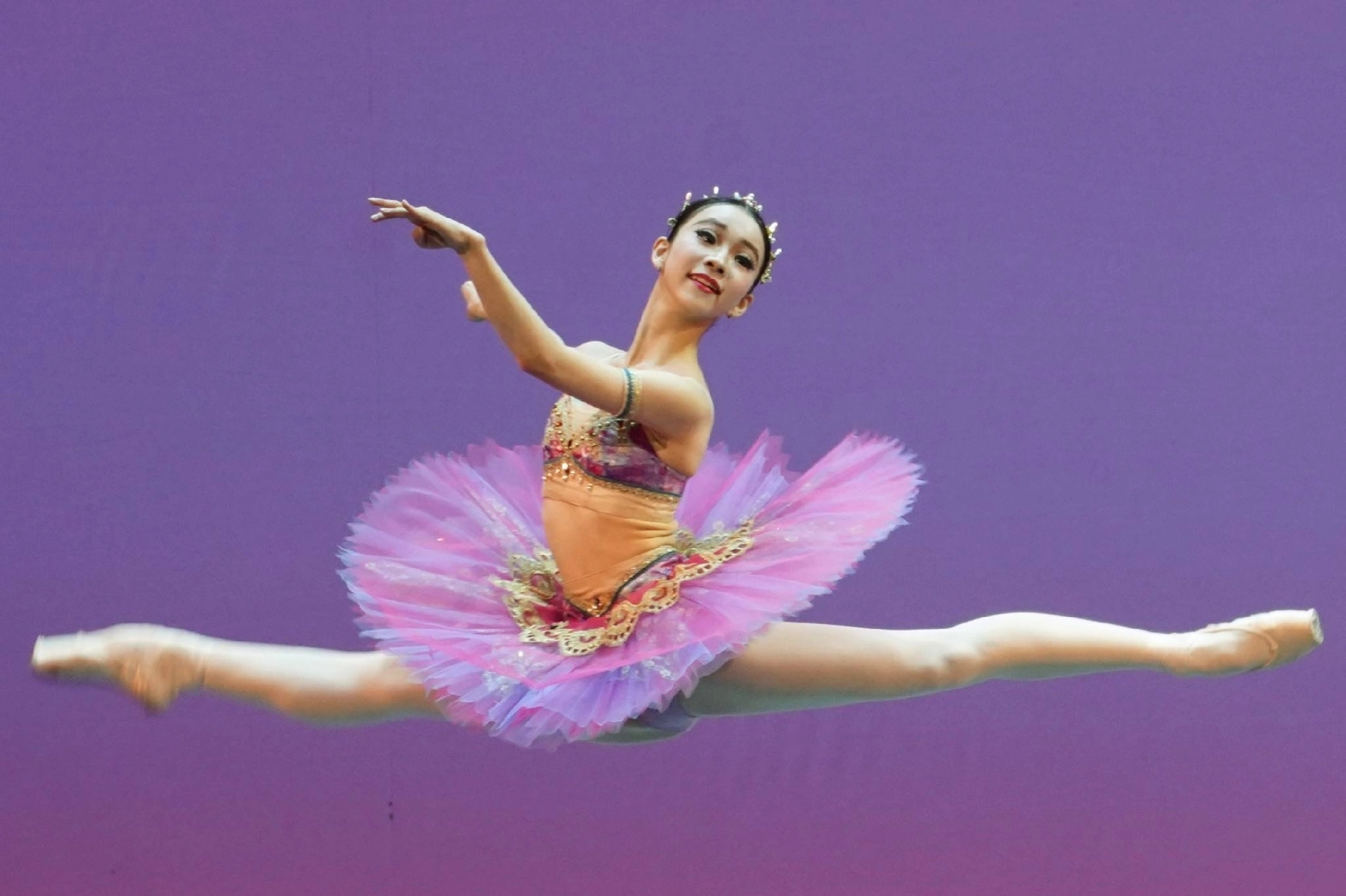
Together, they also reflect the international nature of ballet today. Mixed heritage, training abroad, and competition on Russian stages are no longer unusual for Japanese dancers. Instead, they are becoming part of how Japan develops world-class talent.
All three dancers will return to their respective companies and schools with new credentials. For Hudzeleu, the focus will be on maintaining his place at the Mariinsky and building on the visibility that comes with a Moscow gold. For Watanabe, it will be about turning silver into motivation for the next competition. For Nagai, it will be about using the bronze as a foundation for more experience on international stages.
The Moscow competition is over, but for Japanese ballet, the impact may just be beginning. Three medals in one year don’t happen by accident. They reflect years of training, family support, and a willingness to pursue the art far from home.