

“Lagos Lawmaker Faces Backlash Over Empowerment Scheme Amid Allegations of Ethnic Bias”
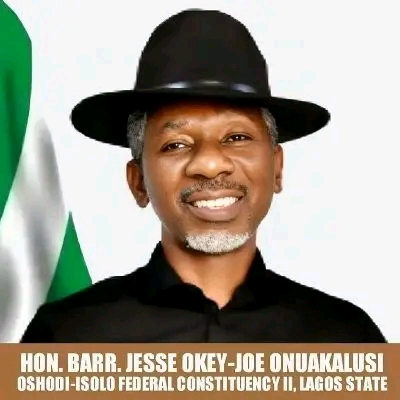
Fresh controversy has erupted in Okey-Joe Onuakalusi’s constituency empowerment programme following allegations that the Lagos-based federal lawmaker favored beneficiaries of Igbo extraction over indigenous Yoruba constituents during a recent distribution exercise.
The lawmaker, who represents the Oshodi Isolo Federal Constituency II in the House of Representatives, has come under intense criticism from political commentators, community stakeholders, and aides linked to the administration of Babajide Sanwo Olu. Critics argue that the empowerment initiative, reportedly designed to support local traders, artisans, and vulnerable residents, reflected ethnic favoritism rather than equitable representation across the constituency.
The controversy gained momentum on social media after videos and testimonies circulated online alleging that a significant number of beneficiaries were individuals connected to the lawmaker’s ethnic community, while several Yoruba residents in the constituency were allegedly sidelined. The claims have since triggered wider debates about identity politics, inclusion, and representation within Nigeria’s commercial capital.
Among those who reacted to the development were political aides and commentators aligned with the Lagos State government, some of whom accused the federal lawmaker of undermining the multicultural balance for which Lagos is widely known. They argued that elected representatives in the state must prioritize fairness and inclusivity regardless of ethnic or political affiliations.
Supporters of Onuakalusi, however, have pushed back against the allegations, insisting that the empowerment programme was open to all qualified constituents and not restricted along ethnic lines. They maintain that critics are politicizing a welfare initiative aimed at easing economic hardship amid rising living costs across the country.
The controversy has further highlighted growing concerns over ethnic tensions in Lagos politics, especially following heightened political divisions witnessed during recent election cycles. Analysts note that Lagos remains one of Nigeria’s most ethnically diverse states, making equitable governance and inclusive political messaging critical to maintaining social cohesion.
As public debate continues, observers say the incident underscores the need for greater transparency in constituency projects and empowerment programmes funded through public office. Civil society groups have also called for clearer beneficiary selection processes to ensure fairness and accountability in future interventions.
Neither the office of the lawmaker nor the Lagos State Government had released a comprehensive official statement addressing the full scope of the allegations as of the time of filing this report.