



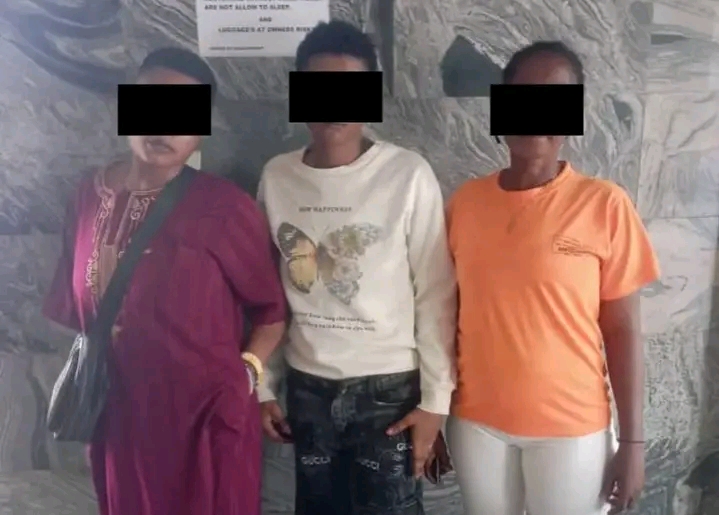
“Nigerian Trafficking Survivors Recount Ordeal After False Job Promises Lead to Sex Slavery in Côte d’Ivoire”
Several Nigerian survivors of human trafficking have recounted harrowing experiences of deception, forced labour and sexual exploitation after being lured to Côte d’Ivoire with promises of legitimate employment.
The accounts have renewed concerns over cross border trafficking networks that target vulnerable Nigerians with offers of jobs in restaurants, boutiques, domestic services and other businesses, only to subject them to coercion and exploitation upon arrival.
In one reported rescue operation, Nigerian authorities and anti trafficking partners helped secure the freedom and return of Nigerian girls and young women who had allegedly been trafficked to Côte d’Ivoire and other West African countries. Some survivors said they were forced into prostitution and compelled to work under conditions of debt and control.
Reports on the survivors’ testimonies indicate that recruiters used false employment promises to persuade victims to travel abroad. Upon reaching their destinations, however, the women allegedly discovered that the jobs they had been promised did not exist and that they had been placed under the control of trafficking networks.
The development highlights the continued risks faced by Nigerians seeking employment opportunities abroad, particularly young women affected by poverty, unemployment and limited economic opportunities. Traffickers often exploit these vulnerabilities by presenting seemingly attractive job offers and promising a better life outside the country.
The rescue efforts involved Nigeria’s National Agency for the Prohibition of Trafficking in Persons (NAPTIP) and the Global Anti-Human Trafficking Organisation (GAHTO), among other partners. Authorities have continued to urge Nigerians to verify overseas employment offers and to exercise caution when dealing with unlicensed recruiters and migration agents.
The survivors’ experiences also underscore the need for stronger cooperation among West African countries to dismantle trafficking networks, prosecute suspected traffickers and provide comprehensive support for victims returning from exploitation.
As Nigeria continues to confront the challenges of human trafficking and irregular migration, anti trafficking advocates say prevention, survivor rehabilitation and cross border law enforcement cooperation remain critical to stopping vulnerable people from being deceived into situations of forced labour and sexual exploitation.