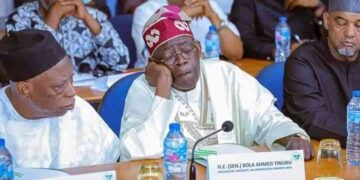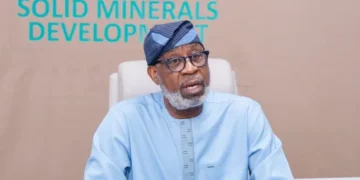



The latest public clash between Senator Adams Oshiomhole and Minister of Works, David Umahi, is about more than just words. It has reopened a national conversation about how Nigeria’s roads are being built, who is accountable, and how government officials handle criticism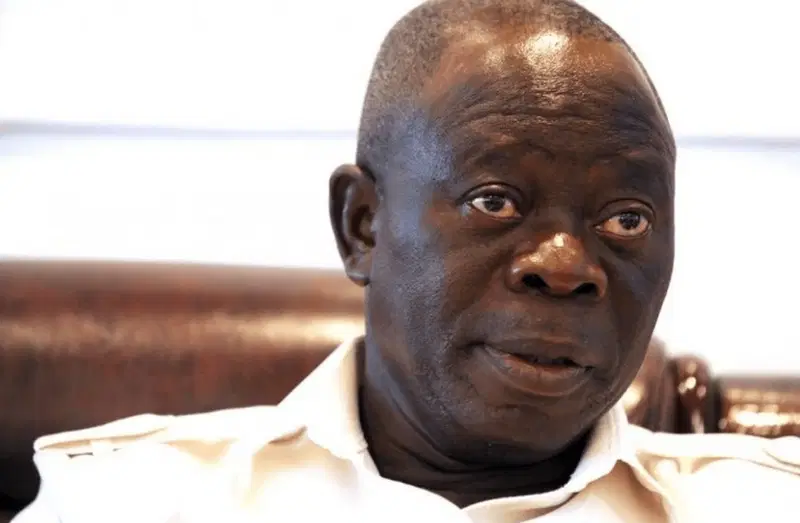
The exchange began after Oshiomhole openly criticized the Ministry of Works over the state of federal roads and some of the decisions taken under Umahi’s leadership. Umahi fired back. What followed was a back-and-forth that quickly moved beyond policy and into personality.
David Umahi came into office with a strong reputation. As former governor of Ebonyi State, he was known for visible infrastructure projects and a hands-on approach. He also has a background in private engineering. Those credentials raised expectations when he was appointed Minister of Works.
From the start, Umahi signaled he wanted to run the ministry differently — more direct, more technical, and less tolerant of delays.
But it did not take long for controversy to follow him. The biggest flashpoint has been the Lagos-Calabar Coastal Road project. The project is ambitious, but it has attracted criticism over cost, transparency, environmental concerns, and the pace of execution. For many Nigerians, it became the symbol of how the ministry is operating under Umahi.
Senator Oshiomhole, former governor of Edo State and former labor leader, is not new to speaking bluntly. He used a recent public appearance to question some of the ministry’s priorities and the way contracts are being handled.
His criticism struck a nerve because it came from within the ruling party and from someone who understands both governance and public pressure.
Oshiomhole argued that Nigerians deserve to see value for money, and that the Minister of Works should be more open to scrutiny, especially at a time when road conditions across the country remain poor.
Umahi did not hold back. He defended his record and the ministry’s approach, saying that tough decisions were needed to fix decades of neglect. He also suggested that some of the criticism was political and uninformed.
This is where the trouble started. Umahi’s style — direct, sometimes dismissive — has often put him at odds with the press and with other public figures. Supporters say that is what makes him effective. Critics say it creates unnecessary friction and distracts from the work.
The question many are asking is: does Umahi not see how he is being perceived, or does he simply not care? Is this confidence, or hubris
The truth is, the performance of the Minister of Works is one of the easiest to judge. You don’t need a policy paper to know if roads are good or bad.
People travel. They see potholes. They get stuck in traffic. They pay more for transport when roads are bad. They hear stories from drivers, traders, and families moving goods across the country.
So when a minister and a senior senator argue in public, citizens listen — not for the drama, but for what it says about the roads.
Are projects being prioritized correctly? Is money being spent wisely? Are contractors being monitored? Is there room for public input and press oversight? Those are the real issues behind the spat.
Nigeria’s infrastructure deficit is huge. Fixing it will require big projects, big money, and big decisions. That will always create tension.
But how that tension is managed matters. A ministry that shuts out criticism risks making mistakes that could have been avoided. A critic who only throws punches without offering solutions risks adding noise instead of clarity.
Both Oshiomhole and Umahi have track records. Both believe they are fighting for the same goal: better infrastructure. The disagreement is about method, tone, and transparency.
Umahi is clearly intelligent and committed. He came in prepared. But intelligence alone is not enough in public office. Perception, communication, and accountability matter just as much.
Oshiomhole’s intervention may have been sharp, but it reflects a frustration many Nigerians feel: we want to see results, and we want to be part of the conversation about how we get there.