


Osun Decides 2026: Kwankwaso Hails Adeleke’s Re Election, Says Osun Vote Affirms Power of the People.
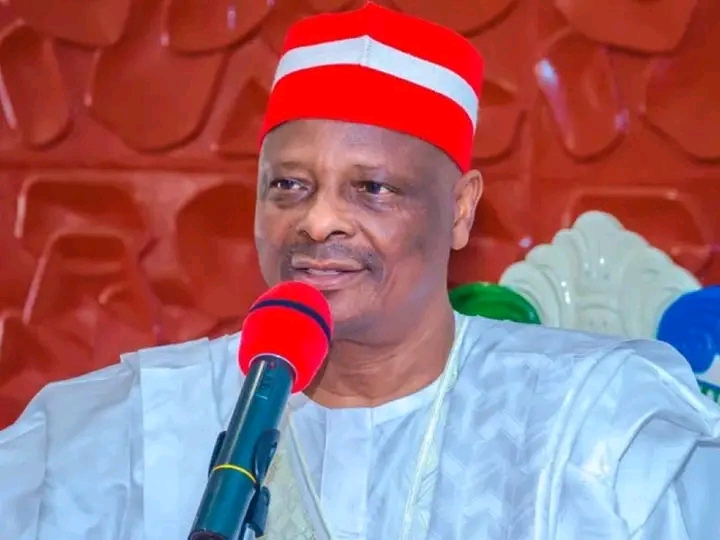
Former Kano State Governor and Nigeria Democratic Congress (NDC) vice presidential candidate for the 2027 election, Rabiu Musa Kwankwaso, has congratulated Osun State Governor, Ademola Adeleke, on his victory in the August 15, 2026 governorship election.
Kwankwaso, in a congratulatory message shared on his verified social media account on Sunday, described Adeleke as his friend and commended him for securing a second term on the platform of the Accord Party. He also praised the people of Osun State for participating in the democratic process and exercising their right to vote.
According to Kwankwaso, the outcome of the election demonstrates the importance of citizens participating actively in democratic processes and making their choices known through the ballot.
He further commended the Independent National Electoral Commission (INEC) for conducting the election and urged electoral stakeholders to continue working towards credible, peaceful and transparent elections.
Adeleke Secures Second Term
INEC declared Adeleke the winner after the collation of results from all 30 local government areas in the state.
The Accord Party candidate polled 511,067 votes, defeating his closest challenger, All Progressives Congress (APC) candidate Bola Oyebamiji, who secured 444,815 votes. African Democratic Congress (ADC) candidate Najeem Salaam finished third with 17,180 votes.
Adeleke won 19 of the state’s 30 local government areas, while Oyebamiji won 11. The result gives Adeleke another four year term as governor.
The election marked a significant political test for Adeleke, who contested under the Accord Party after leaving the Peoples Democratic Party (PDP), the platform on which he won the governorship in 2022. His move followed a prolonged crisis within the PDP ahead of the 2026 election.
Kwankwaso Emphasizes Democratic Participation
Kwankwaso framed Adeleke’s victory within the broader importance of electoral participation, arguing that citizens who remain engaged in the democratic process can influence political outcomes.
His remarks come as other political figures have also congratulated Adeleke following INEC’s declaration, underscoring the significance of the Osun election ahead of Nigeria’s broader political realignments toward the 2027 general elections.
However, the election was not without concerns. Reports cited allegations of vote buying, inducement, intimidation and isolated incidents of violence. While civil society assessments described the exercise as largely peaceful, calls for scrutiny of alleged electoral offences remain part of the post election conversation.
For Adeleke, the result represents both a renewed mandate and a fresh political responsibility. Having secured re election on a different party platform, attention will now shift toward how his administration uses the new mandate to address governance, economic and social concerns across Osun State.