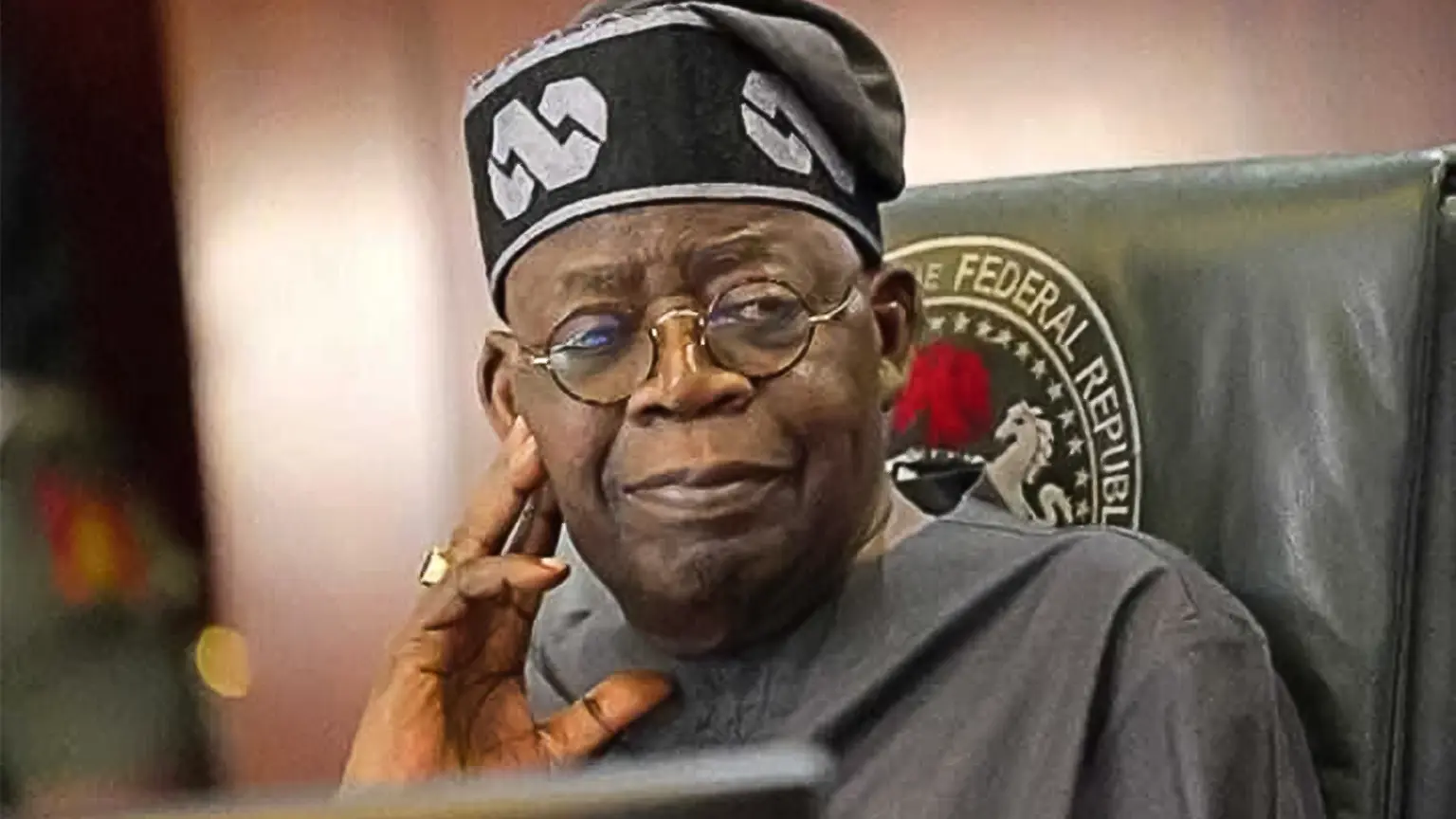
President Bola Ahmed Tinubu has reaffirmed that governance will remain his primary responsibility as the All Progressives Congress (APC) intensifies preparations for the 2027 presidential election, warning that campaign activities must not distract his administration from addressing Nigeria’s pressing national challenges.
Tinubu made the declaration during the inauguration of the APC Presidential Campaign Council at the State House Conference Centre in Abuja. The event marked a significant step in the ruling party’s preparations for the next general election.
Addressing members of the council, the President said he agreed with the recommendation that the demands of electioneering should not interfere with his constitutional responsibilities. He stressed that Nigeria required sustained attention from its leadership, regardless of the political calendar.
According to the President, the responsibilities attached to his office would continue throughout the campaign period, making it necessary for the council to coordinate mobilisation efforts across the country while he concentrates on governance.
Tinubu also indicated that he would not necessarily accompany campaign officials to every political rally, explaining that he must remain available to address national priorities and engage directly with Nigerians when necessary.
The President’s position comes as political parties and influential political figures begin consolidating their alliances ahead of the 2027 presidential contest. The APC is seeking to strengthen its national political structure and mobilise support across states, local government areas and electoral wards.
At the inauguration, APC National Chairman, Professor Nentawe Yilwatda, urged members of the Presidential Campaign Council to work collectively, strengthen the party’s grassroots structures and communicate the administration’s policies and achievements to Nigerians.
Yilwatda emphasised the importance of strategic communication, political coordination and sustained engagement with voters. He maintained that the campaign should explain the administration’s economic reforms and investments in infrastructure, agriculture, electricity, transportation and digital connectivity.
The party leadership is expected to rely on its national officers, governors, legislators and grassroots members to coordinate campaign activities and present its case to the electorate.
Tinubu, meanwhile, challenged the council to demonstrate commitment by securing support at the polling-unit level, underscoring the importance of translating political mobilisation into votes during the election.
The inauguration has also generated political controversy, with the African Democratic Congress (ADC) Presidential Campaign Council criticising the APC’s growing political coalition and questioning the circumstances surrounding the involvement of figures associated with other political parties.
The ADC alleged that the ruling party’s approach could weaken Nigeria’s multiparty democratic system. Its Director of Media and Publicity, Kola Ologbondiyan, raised concerns about political alliances involving opposition figures and questioned whether such arrangements adequately respected party independence.
These allegations represent the opposition’s position and have not, by themselves, established wrongdoing by the APC or the individuals concerned.
Meanwhile, the participation of political figures from different parties illustrates the increasingly fluid alliances emerging ahead of the 2027 elections. Their involvement is expected to attract further scrutiny as Nigerians assess the implications for party competition, political accountability and democratic representation.
Tinubu’s declaration places renewed attention on the relationship between governing and campaigning in Nigeria’s political system. While political parties must organise and present their candidates to voters, the responsibilities of an incumbent administration continue throughout the electoral cycle.
For Nigerians facing economic pressures and demanding improvements in public services, the central issue will be whether the government sustains its policy commitments and delivers measurable results while political mobilisation gathers momentum.
The APC’s campaign strategy will therefore face two parallel tests: its ability to persuade voters that the administration’s policies are producing meaningful benefits and its capacity to demonstrate that preparations for re-election will not come at the expense of governance.
As the 2027 election approaches, Tinubu’s assurance that national responsibilities will take precedence provides a clear statement of intent. The ultimate measure, however, will be the administration’s performance and its ability to respond effectively to the country’s economic, security and development challenges.
President Bola Tinubu urges the APC Presidential Campaign Council to lead 2027 election mobilisation without distracting his administration from governance and Nigeria’s national priorities.