Nigeria’s Lawmakers Demand Emergency Ebola Funding, Mandatory Health Screening at Borders.
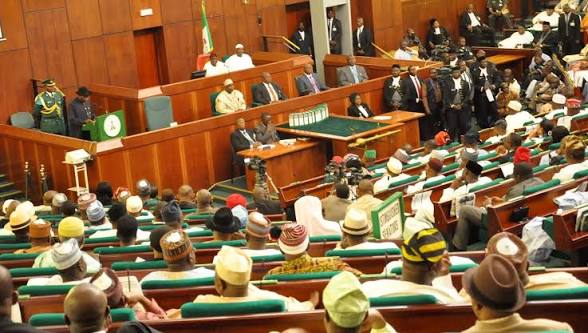
Nigeria’s National Assembly has called on the Federal Government to urgently release emergency health funds and strengthen disease surveillance following the confirmation of an Ebola case in Abuja, as concerns grow over the country’s preparedness to prevent further transmission.
The Senate has urged the government to provide emergency funding through the Service Wide Vote to strengthen disease surveillance and enforce mandatory health screening at international airports, seaports and designated land borders. The House of Representatives has separately called for the immediate release of outstanding funds already approved for relevant health agencies to improve Nigeria’s capacity to respond to the outbreak.
The resolutions, adopted on October 21, 2026, followed the Federal Government’s confirmation of an imported Ebola case in the Federal Capital Territory on October 20. According to the Federal Ministry of Health and Social Welfare, the patient is a woman who recently travelled from Uganda and is currently receiving medical care in isolation.
Health authorities have identified 44 close contacts for monitoring as part of efforts to contain the infection. Those being traced include healthcare workers, patients, caregivers and travel-related contacts who may have been exposed to the virus. The Nigeria Centre for Disease Control and Prevention (NCDC) is working with other relevant agencies to strengthen surveillance and prevent further transmission.
Lawmakers Call for Immediate Release of Funds
The Senate’s demand followed a motion of urgent national importance sponsored by Senator Francis Faduyile, who raised concerns about the spread of the Bundibugyo strain of Ebola and the risk of infected travellers entering Nigeria through international transit routes.
Lawmakers argued that the country should not wait for new budgetary provisions before providing the resources required to protect its borders and strengthen emergency response systems.
The Senate also called for a review of Nigeria’s Quarantine Act of 1926 to bring the country’s public health legislation in line with contemporary disease-control requirements and the International Health Regulations.
Meanwhile, the House of Representatives urged the Federal Government, through the Ministry of Finance, to release outstanding appropriated funds to relevant health agencies. It also called on the Federal Ministry of Health and Social Welfare and the NCDC to assess additional resources required to support an effective response.
The lower chamber further advocated stronger coordination among federal and state health authorities, port health services and other relevant agencies to improve surveillance, infection prevention and emergency preparedness.
Public Health Preparedness Under Scrutiny
The lawmakers’ intervention highlights the importance of adequate funding, effective coordination and rapid access to medical resources in responding to infectious disease threats.
Ebola can cause severe illness and death, making early detection, isolation of suspected cases, contact tracing and strict infection prevention measures essential to controlling transmission. Weaknesses in surveillance systems, inadequate protective equipment and delays in releasing emergency funds could undermine containment efforts.
The current outbreak involves the Bundibugyo virus, a species of Ebola virus associated with outbreaks in parts of Africa. The World Health Organization has confirmed Nigeria’s imported case and reported that investigations are continuing to establish the patient’s exposure history.
Nigeria previously contained an Ebola outbreak in 2014, demonstrating the importance of rapid intervention and coordinated public health action. However, the confirmation of another case underscores the need to maintain vigilance, particularly at international points of entry.
Funding and Accountability Remain Critical
While the National Assembly has called for urgent financial support, the effectiveness of the response will depend on how quickly resources are released and deployed to frontline health agencies.
Priorities include strengthening border surveillance, ensuring healthcare facilities have appropriate infection prevention supplies, improving laboratory and diagnostic capacity, supporting contact tracing and providing accurate public health information.
Authorities must also ensure that emergency spending is transparent, targeted and supported by clear accountability measures. Adequate funding should translate into practical improvements in the capacity of health workers and institutions to identify and contain suspected infections.
For Nigeria and other African countries facing cross-border disease threats, the latest developments reinforce the need for sustained investment in public health infrastructure rather than relying solely on emergency interventions after infections are confirmed.
As health authorities continue monitoring the identified contacts, the timely implementation of the lawmakers’ recommendations could play an important role in strengthening Nigeria’s preparedness and reducing the risk of further transmission.