

SERAP Challenges Nigeria’s 2026 Social Media Bill, Warns National Assembly of Legal Action Over Free Speech Concerns.
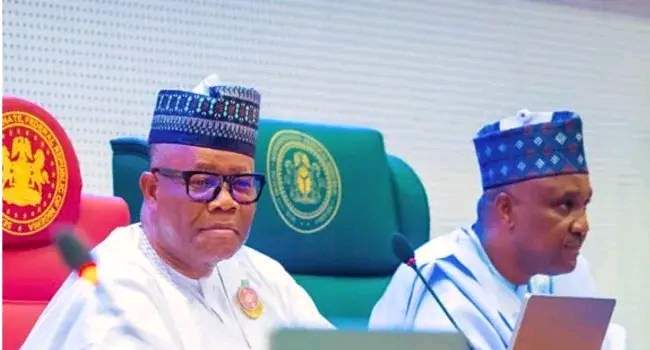
The Socio Economic Rights and Accountability Project (SERAP) has called on Nigeria’s National Assembly to withdraw the proposed Social Media Bill 2026, warning that the legislation could undermine freedom of expression and create excessive government control over online communication.
SERAP reportedly described the proposed measure as a potential “backdoor” attempt to regulate or restrict digital expression, urging lawmakers to reconsider the bill or risk facing legal action. The organisation’s position has reignited debate over the balance between tackling online abuse, misinformation and harmful content, and protecting constitutional rights to free speech.
The controversy comes amid growing scrutiny of proposed regulations affecting Nigeria’s digital and media space. SERAP has previously challenged government and regulatory actions it considers threats to freedom of expression, including its recent legal action alongside the Nigerian Guild of Editors against the National Broadcasting Commission over alleged threats to sanction broadcasters under provisions they described as vague and overly broad.
The rights organisation has also pursued several court cases seeking greater transparency and accountability from public institutions, including a lawsuit against the Code of Conduct Bureau over allegations involving changes to the Electoral Act Amendment Bill and tax reform legislation.
While supporters of stronger digital regulation often argue that governments must address misinformation, cybercrime, online harassment and other abuses, civil liberties advocates have repeatedly warned that broadly worded laws could be used to silence legitimate criticism and restrict civic participation.
The latest dispute is therefore likely to place renewed attention on the wording, scope and safeguards contained in the proposed Social Media Bill 2026. SERAP’s threat of legal action signals that the organisation may challenge the legislation if it proceeds in a form it believes violates constitutional protections for freedom of expression and access to information.
As of publication, the specific provisions of the proposed bill and any formal response from the National Assembly regarding SERAP’s demand should be closely monitored. The debate is expected to remain significant as Nigeria continues to navigate the challenges of digital governance while preserving democratic space and citizens’ rights online.