


“Trafficked and Betrayed: Rescued Nigerian Girls Reveal Ordeal After Fake Job Promises Led to Sexual Exploitation”
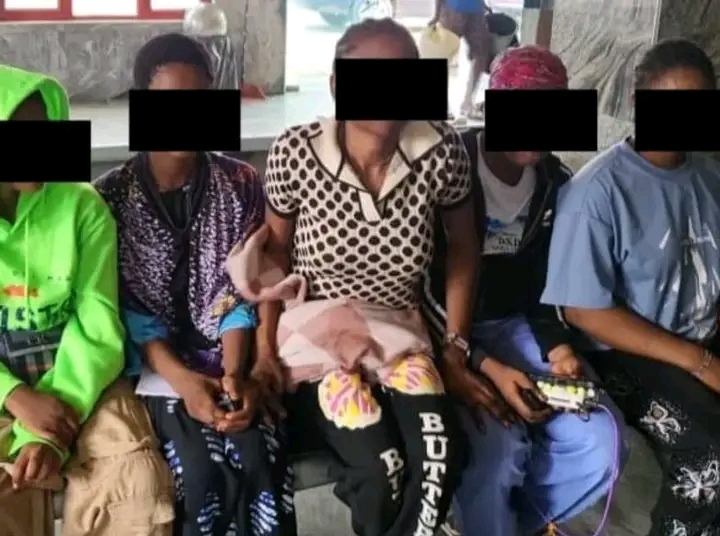
Seven Nigerian girls rescued from human trafficking networks operating across West Africa have recounted harrowing experiences of deception, abuse, and forced prostitution after being lured with promises of legitimate employment opportunities.
The victims, according to accounts shared after their rescue, were allegedly recruited by traffickers who promised them jobs and better economic prospects. Instead, they were transported across borders and subjected to sexual exploitation, violence, intimidation, and other forms of abuse. Their testimonies have once again drawn attention to the growing threat of human trafficking in West Africa, where criminal networks continue to prey on vulnerable young people seeking employment and a better future.
Several of the survivors said they accepted the offers because of financial hardship and the desire to support their families. Upon arrival at their destinations, however, they discovered that the promised jobs did not exist. They were reportedly forced into prostitution and threatened with violence whenever they resisted or attempted to escape. Some victims also described physical assaults and severe psychological trauma during their captivity.
The rescue operation was facilitated through the intervention of anti-human trafficking advocates and organizations working to combat cross border exploitation. Following their return to Nigeria, the survivors were reunited with their families and have begun sharing their experiences to warn others about the dangers of fraudulent overseas and regional job offers.
Human trafficking remains a significant challenge across West Africa, with traffickers increasingly using false employment opportunities, migration promises, and online recruitment tactics to target vulnerable individuals. Experts say economic hardship, unemployment, and limited awareness continue to make many young people susceptible to exploitation by criminal syndicates.
The rescued girls have urged Nigerian youths, particularly young women, to thoroughly verify job offers and travel arrangements before leaving their communities. Their message is clear: what appeared to be an opportunity for a better life quickly became a nightmare of exploitation and abuse.
Authorities and anti trafficking organizations continue to call for stronger regional cooperation, public awareness campaigns, and tougher enforcement measures to dismantle trafficking networks operating across national borders and protect vulnerable populations from modern day slavery.