


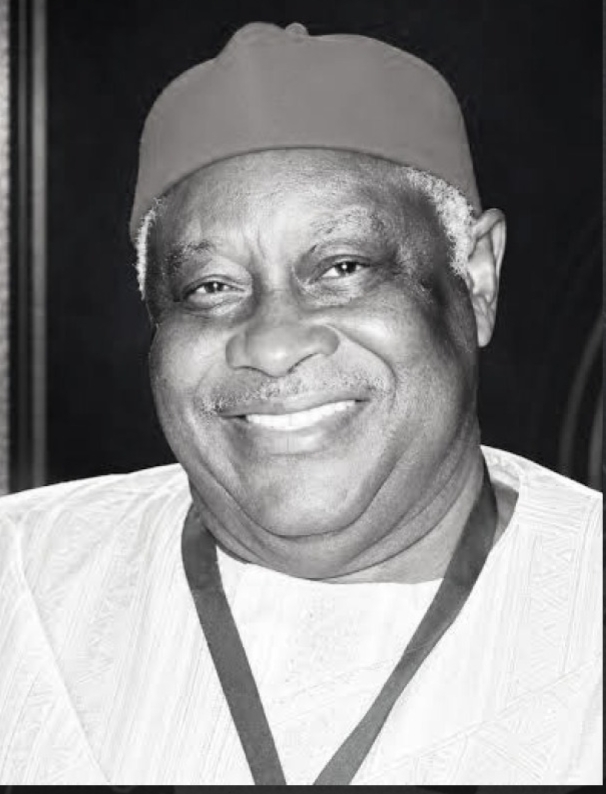
President Bola Ahmed Tinubu has mourned the death of Chief Ralph Obioha, a former lawmaker, businessman and prominent figure in Nigeria’s pro-democracy movement, describing his contribution to the struggle for democratic rule as part of a difficult but defining chapter in the country’s political history.
In a condolence message, Tinubu extended sympathy to Obioha’s family, the people of Imo State, Ohanaeze Ndigbo, members of the National Democratic Coalition (NADECO) and Nigerians mourning the former lawmaker.
The President specifically recalled Obioha’s role in the pro-democracy struggle that followed the annulment of the June 12, 1993 presidential election.
According to Tinubu, Obioha was a founding member and prominent leader of NADECO, a coalition that became an important platform in the campaign against continued military rule and for the restoration of democratic government.
The June 12 election remains a major turning point in Nigeria’s political history. The poll, widely associated with the presumed victory of Chief Moshood Kashimawo Olawale Abiola, was annulled by the military government of General Ibrahim Babangida. The annulment triggered sustained political resistance, protests, arrests, repression and exile involving politicians, journalists, activists and other civil society figures.
NADECO subsequently emerged as one of the principal pro-democracy coalitions demanding the restoration of the June 12 mandate and an end to military rule. The struggle continued through the military administration of General Sani Abacha before Nigeria eventually returned to elected civilian government in 1999.
President Tinubu said Obioha’s commitment to the struggle came at considerable personal cost, but that he remained convinced that Nigeria’s future depended on democracy, constitutionalism, justice and the right of citizens to choose their leaders.
The President also recalled Obioha’s period in exile as part of the wider sacrifices made by pro-democracy activists during the years of military rule. In his 2024 Democracy Day address, Tinubu had specifically identified Obioha among Nigerians whose sacrifices and years in exile contributed to the struggle for democratic governance.
Tinubu said the passage of time should not erase the contributions of Nigerians who confronted difficult chapters in the country’s history.
“Chief Ralph Obioha was a courageous Nigerian who made sacrifices for democracy and remained committed to the ideals of a better Nigeria,” the President said.
The tribute places Obioha within a broader generation of Nigerians whose activism helped sustain pressure for democratic restoration after June 12. In subsequent Democracy Day addresses, Tinubu has similarly described June 12 as a defining chapter in Nigeria’s democratic history and recognised the sacrifices of activists, journalists, politicians and other pro-democracy figures.
For Obaland Magazine, Obioha’s death also represents an opportunity to revisit the historical significance of the June 12 struggle beyond individual political narratives. The movement involved Nigerians from different regions and professional backgrounds who challenged military rule and demanded constitutional government.
Tinubu said Obioha would be remembered for his courage, convictions, public service and belief in Nigeria.
“His passing is a loss to his family, his community and the nation,” the President said.
He offered condolences to Obioha’s loved ones and prayed for comfort for the family and eternal rest for the deceased.
Chief Ralph Obioha’s place in the history of Nigeria’s pro-democracy struggle is therefore linked not only to his political career but also to the broader campaign that followed the annulment of June 12, 1993. His passing marks the loss of another figure associated with one of the most consequential struggles in Nigeria’s journey from military rule to the democratic system that has endured since 1999.
President Tinubu mourns Ralph Obioha, recalling the NADECO leader’s sacrifices during Nigeria’s June 12 pro-democracy struggle and military era.